Health at the Festival
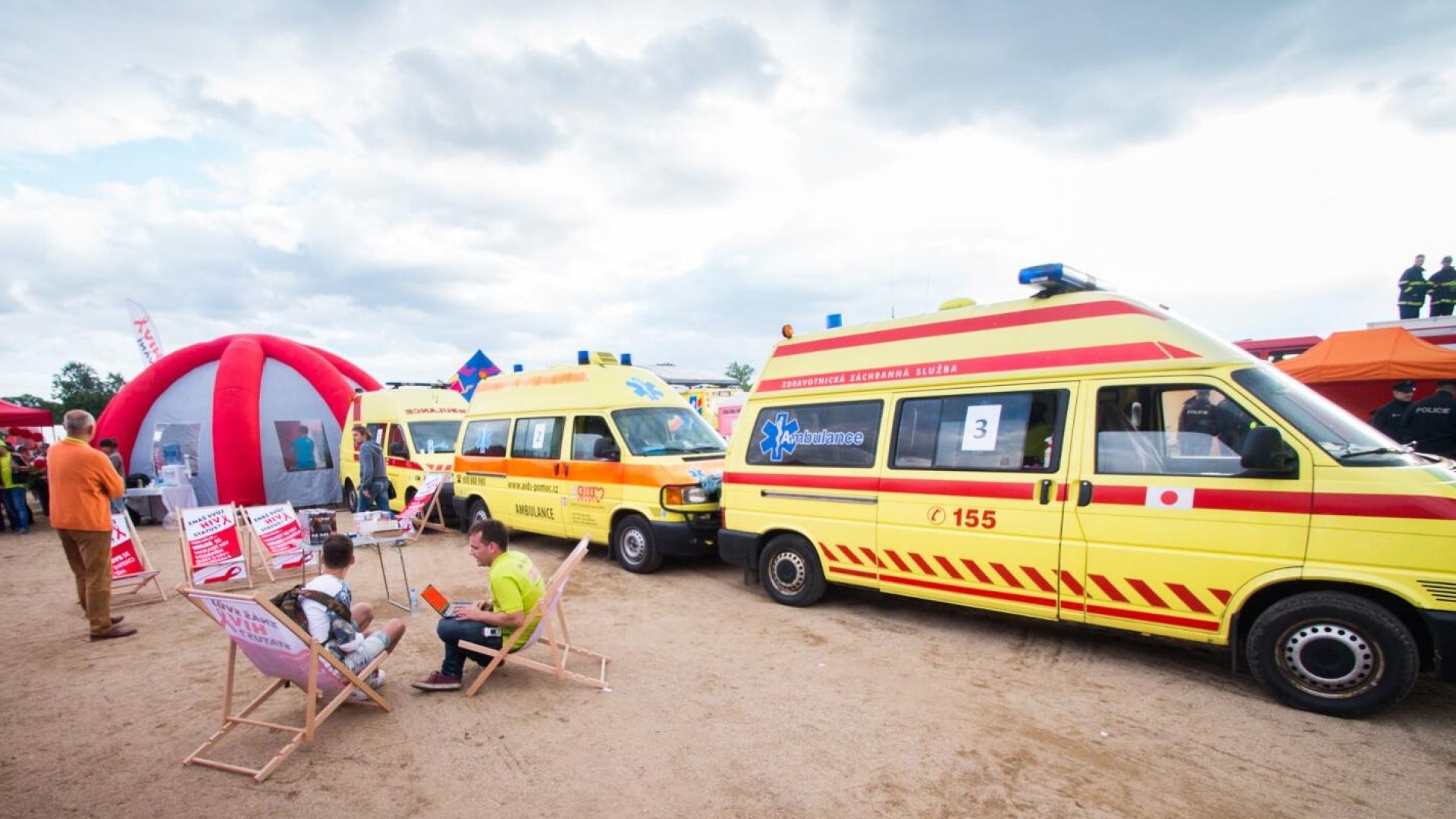
Even if you dive headfirst into the fabulous whirlwind of the Prague Pride Festival, don’t forget the basics: you’ve got to take care of yourself to truly enjoy the celebration and leave with joyful memories.
We know, this is the kind of advice your mom probably gives you—but guess what? She’s right:
Summer heat in the city is sneaky. Drink plenty of non-alcoholic fluids throughout the day. Your body loses hydration quickly through sweat, and it would be a shame to end up in the care of the medical team.
You need to eat—even if you’re trying to slim into that parade costume. If you skip breakfast and lunch, don’t be surprised if you pass out and the fun is over.
Nothing’s worse than falling asleep in the sun without sunscreen. Even sunburned earlobes can make your life miserable. Keep a small bottle of sunscreen with you every day unless the sky is overcast.
Wash your hands often and ideally carry some hand sanitizer. You’ll be around lots of people, all touching the same stalls, railings, and toilets. Czechia has recently had an outbreak of hepatitis A — also known as the “disease of dirty hands.” There is no specific treatment, so prevention through good hygiene is essential. Consider vaccination—it provides long-term protection, and health insurance companies contribute to the cost.
Mental Health
It might be caused by a large crowd, loud music, a drop in air pressure before a storm, or simply lack of sleep. If there’s a moment when you don’t feel well, don’t push through it—take a break.
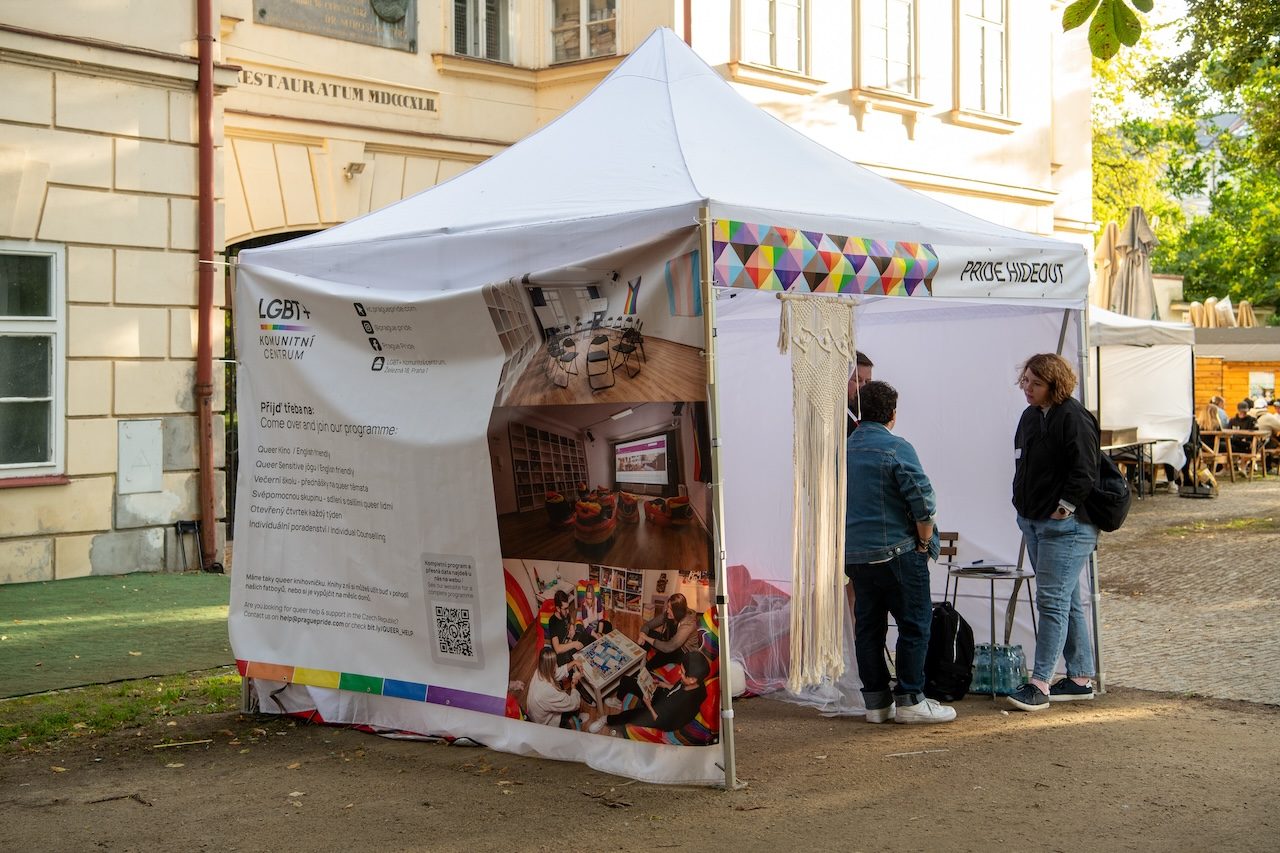
That’s exactly what Pride HideOUT powered by Sephora is for. You’ll find this mental health refuge in Pride Village and on Saturday in Pride Park. It’s a calm space with cushions, earplugs, and soothing quiet. Come take a moment to breathe away from the crowd.
Crisis intervention professionals will also be present—you can lean on them if you feel anxious or overwhelmed.
HIV Testing
The Prague Pride Festival is always a great opportunity to get tested and learn the latest about HIV prevention and treatment.
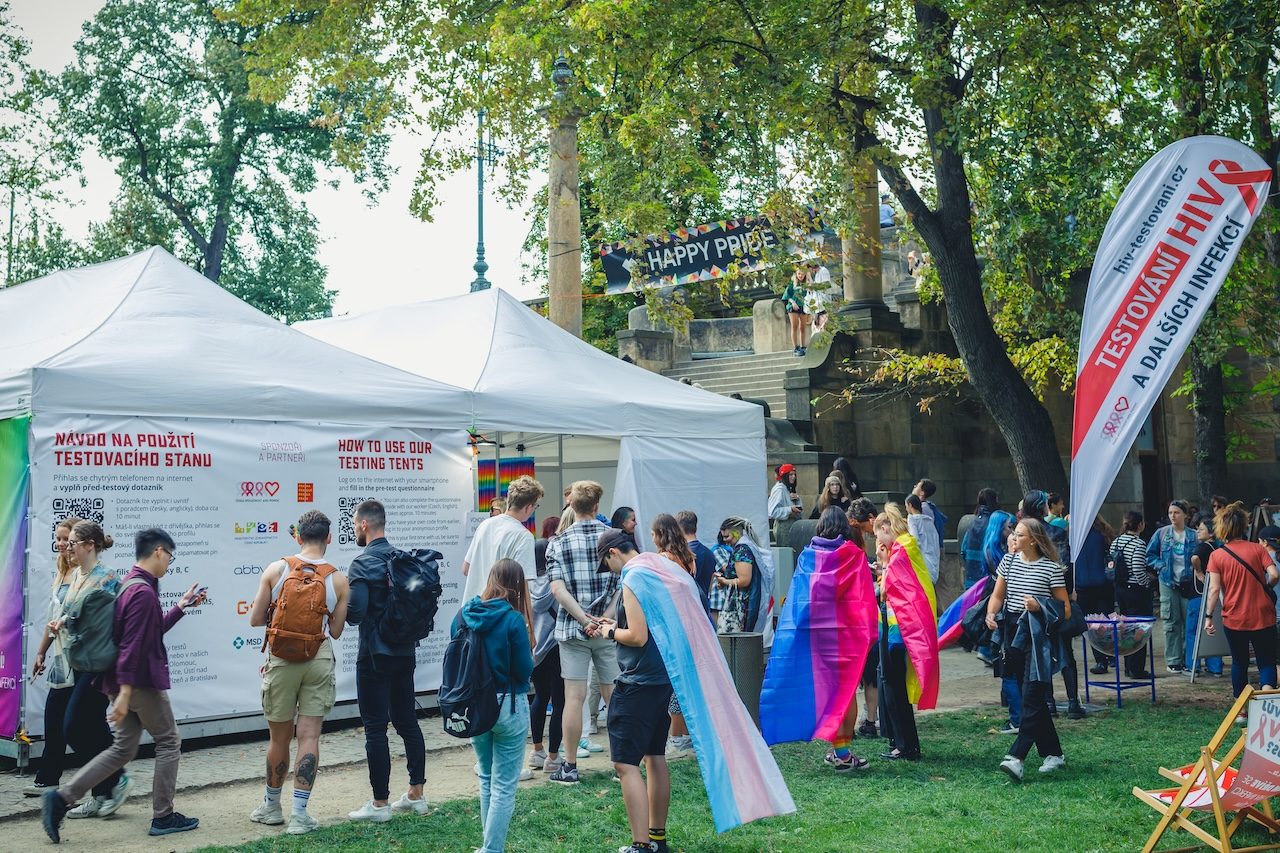
From Monday to Friday, the Czech AIDS Help Society (ČSAP) will run a testing booth in Pride Village, and on Saturday they will be in Pride Park on Štvanice. You can get tested—free of charge and anonymously—for HIV, syphilis, and hepatitis B and C. The whole process takes just a few minutes, especially if you fill out the pre-test questionnaire online in advance.
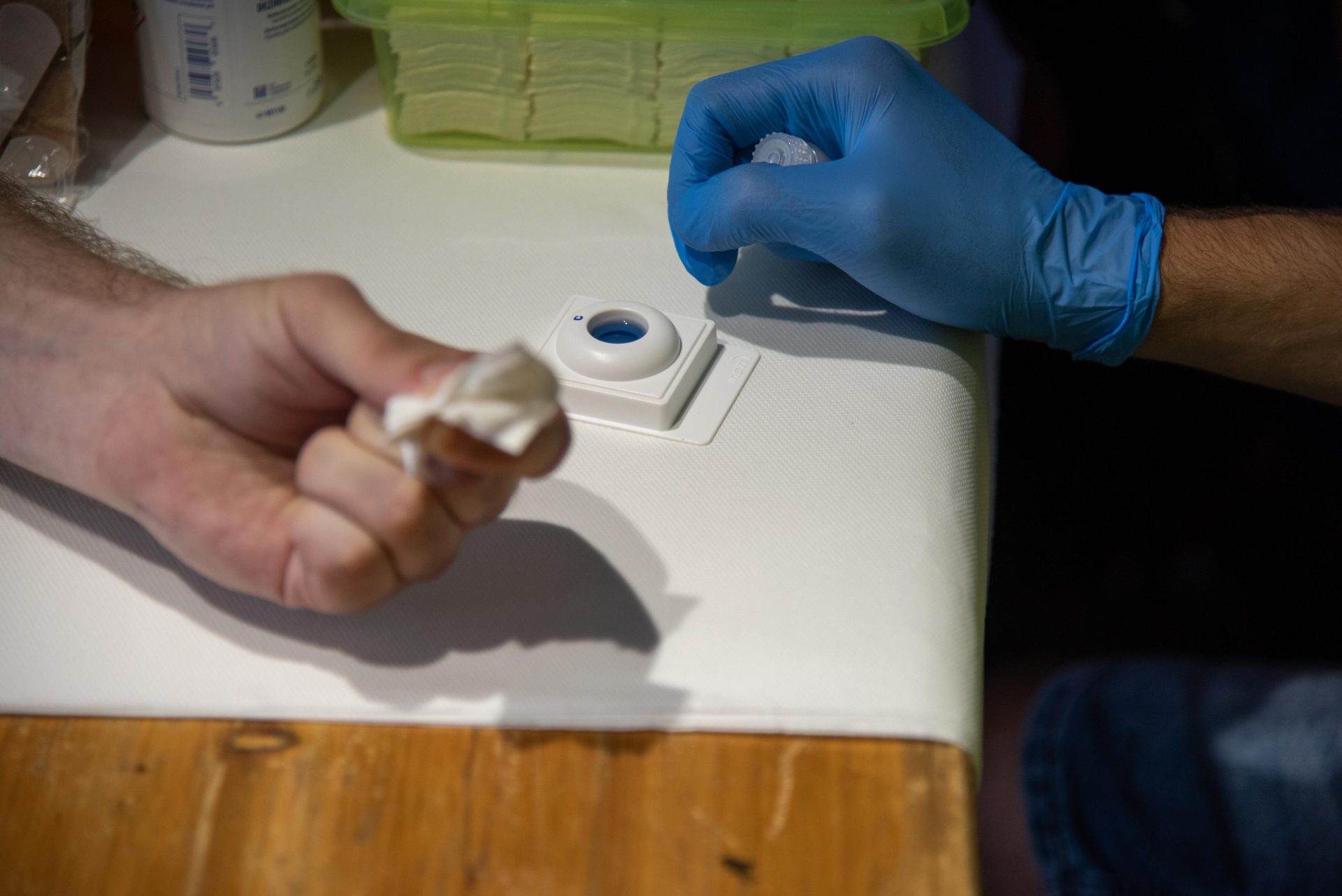
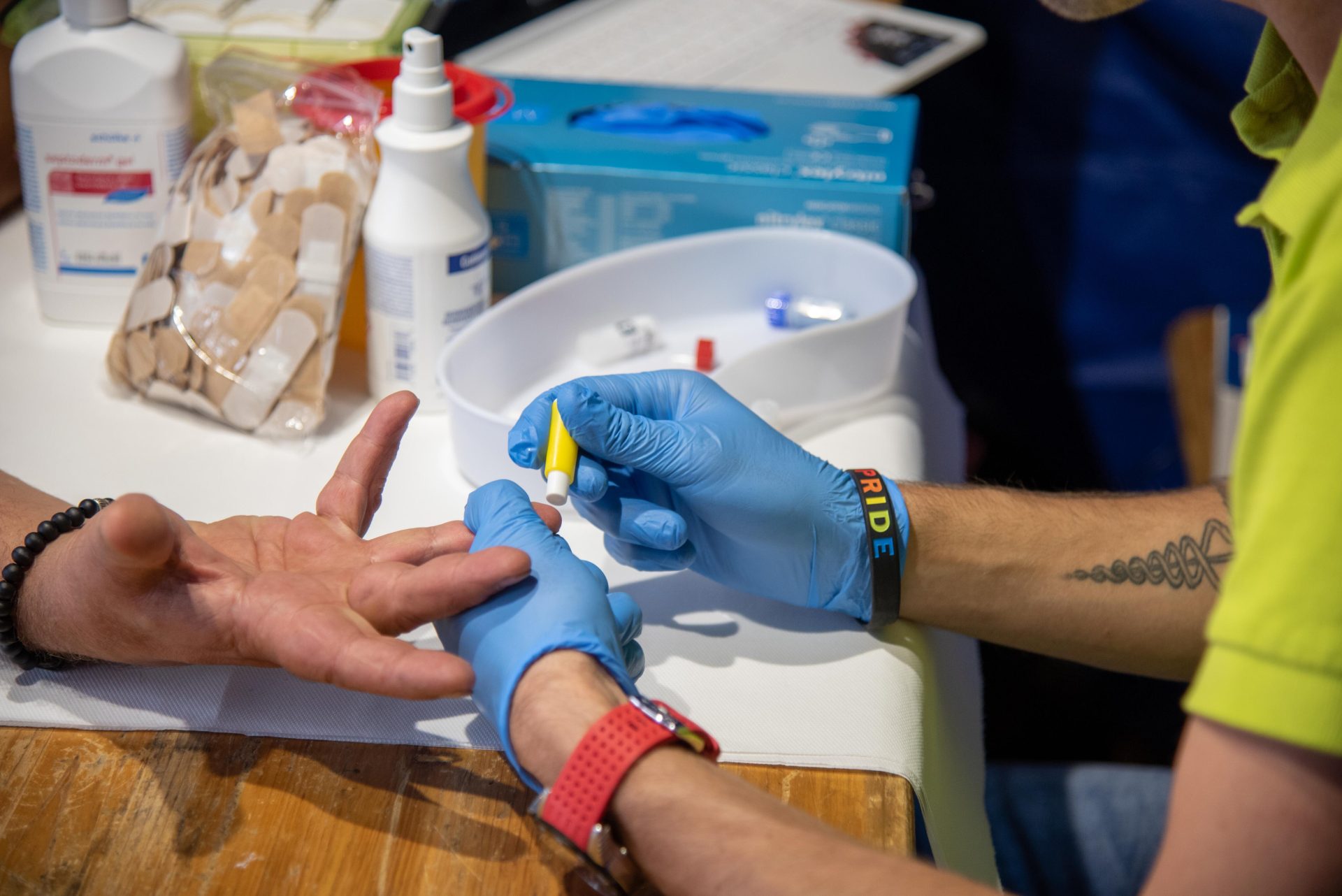
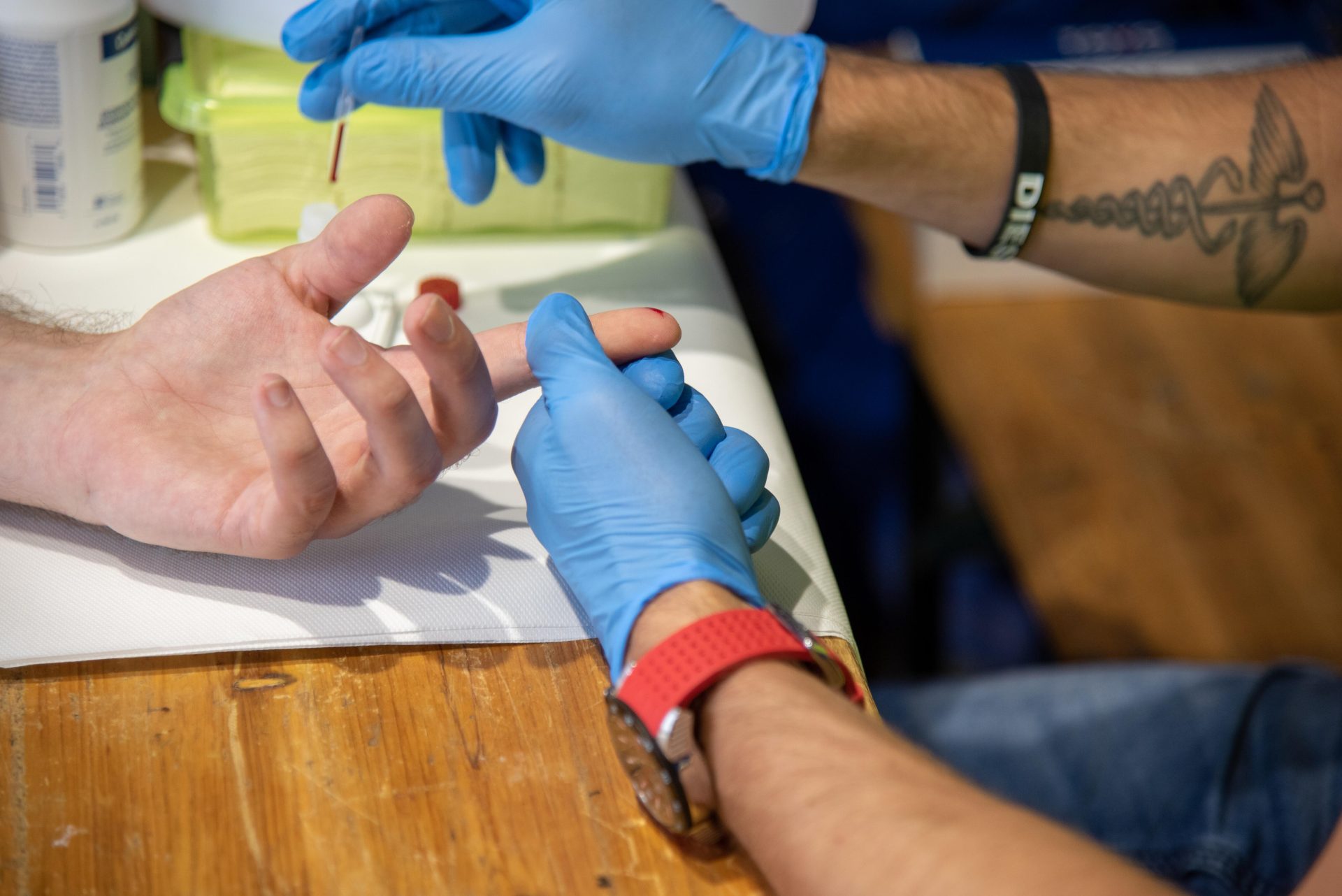
At the booth, a healthcare worker will perform a rapid test using a drop of blood from your finger. You’ll be identified by a code—no one will ask for your name. Within about 30 minutes, you’ll receive a notification on your phone that your result is available in the online system.
If the result is not clearly negative, a venous blood sample will be taken and sent to the National Reference Laboratory for HIV/AIDS for confirmation. This will determine whether it was a false alarm or whether treatment should begin. Don’t worry—most follow-up tests after a reactive rapid test result turn out negative.
What exactly does a negative rapid test mean?
Rapid tests don’t detect the HIV virus itself, but the presence of specific proteins (antigens and antibodies) produced by the body in response to the virus. These take time to develop—at least two months. So if you haven’t been abstinent or fully protected in the past two months, a negative result does not confirm that you are currently HIV-negative. It only tells you that you were HIV-negative two months ago. That’s why people with active sex lives are encouraged to test regularly—ideally every three months.

HIV Prevention—During the Festival and Beyond
If modern antiretroviral treatment is started early, a person living with HIV can expect the same quality and length of life as anyone else. There’s no reason to avoid testing out of fear. On the contrary, early detection allows you to take control and live a healthy life.
It’s no longer true that HIV risk applies only to men who have sex with men. Recently, transmission has been increasing again among heterosexual people (and no, it’s not due to refugees from Ukraine). We are all at some level of risk, and we should all take appropriate precautions.
Many sexual activities carry zero or minimal risk—such as kissing, oral sex, or mutual masturbation. However, unprotected anal sex carries up to 20 times higher risk than vaginal sex.
You can protect yourself from HIV by:
- Using condoms (Durex condoms are available for free in Pride Village and Pride Park)
- Taking PrEP (pre-exposure prophylaxis—a preventive medication that blocks HIV transmission if the virus enters your body). Learn more at www.chiprep.cz
- Having sex with a person living with HIV whose viral load has been undetectable for at least six months. Such a person cannot transmit the virus. The vast majority of people living with HIV on treatment in Czechia are non-infectious.
- Taking PEP (post-exposure prophylaxis). If you believe you may have been exposed to HIV, you can take a 72-hour course of antiretroviral medication to prevent the virus from spreading in your body. PEP must be prescribed by a doctor—it’s not available over the counter like emergency contraception. It is not covered by insurance and costs at least CZK 5000. And most importantly—act quickly.
Remember: HIV isn’t the only STI. PrEP and PEP don’t protect against other infections like syphilis, hepatitis B/C, gonorrhea, HPV, chlamydia, and more.