1+1+1
Times are changing. Progress keeps pushing us forward. But where are we actually headed?
Blending documentary and fiction, this documentary musical follows the journeys of three protagonists—two women and one man—as they search for answers to a question that concerns us all: where are we going, both as individuals and as a society?
Progress has become one of the defining values of the modern world. It brings constant acceleration. The old is quickly discarded and replaced by the new, only for the new to become outdated just as fast. What happens to people—and to our humanity—in this relentless pursuit of what comes next? How can we live in a world that is always striving for something newer and better? And how does the idea of progress relate to the identities and rights of queer people? Can progress offer hope, or should we fear that the gains we’ve made might one day be reversed?
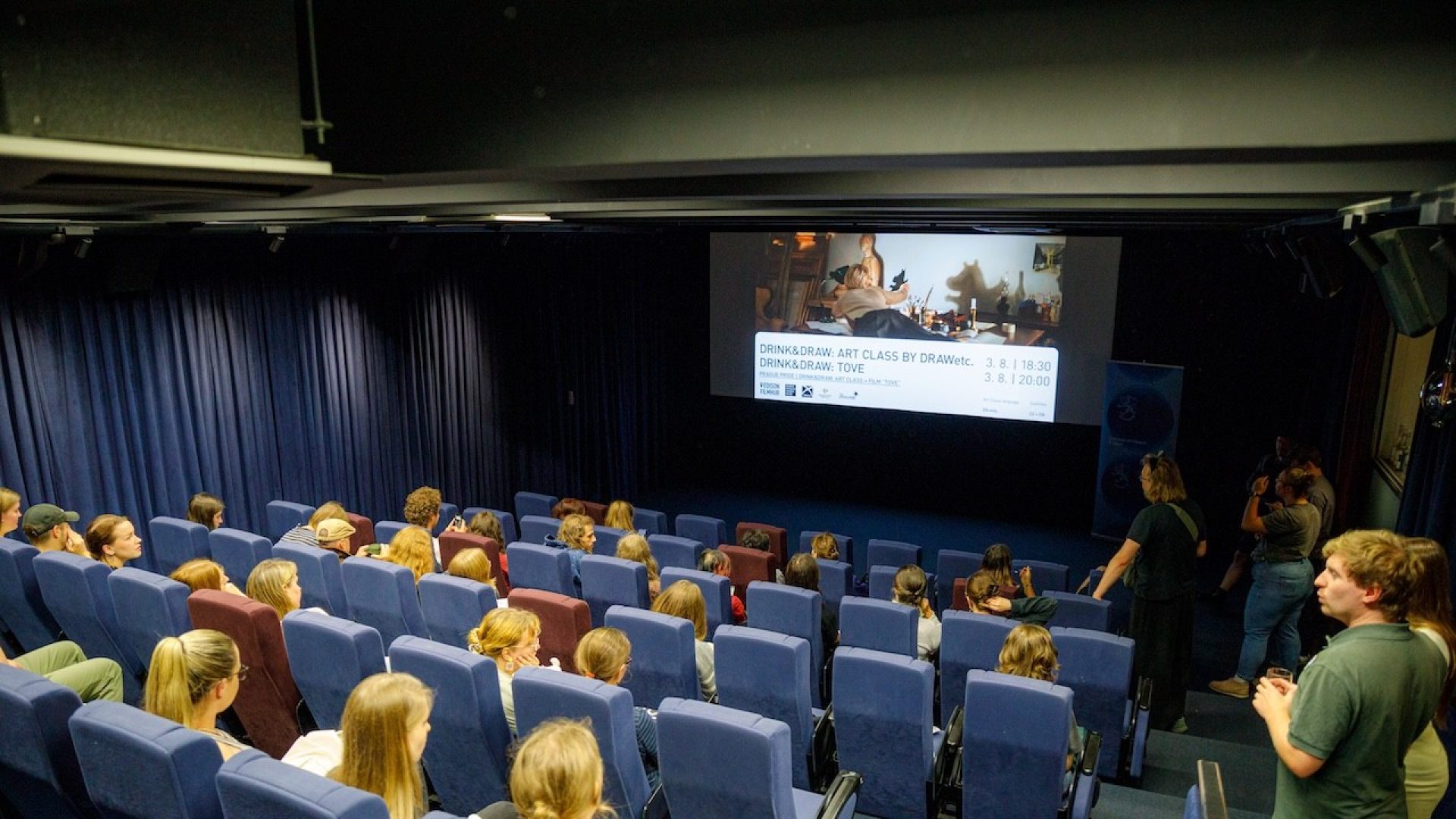
The screening will be followed by a discussion in Czech with the film’s director, Ondřej Vavrečka.
Entrance fee – 120 CZK
Accessibility – suitable also for for teenagers, barrier-free
Vibe check – requires interacting with the audience or other attendees, seating options, indoors
Organized by – Ondřej Vavrečka
Ondřej Vavrečka is a filmmaker, visual artist, musician, and educator. He originally studied computer programming before turning to philosophy and linguistics. He later studied film at FAMU in Prague and VGIK in Moscow. His work draws on both everyday shared experience and theoretical thought, developing them through documentary, fiction, performative, and essayistic approaches.
His films have received several awards and have been screened internationally. Materiality and physical experience play a central role in his artistic practice, reflected in his use of analogue 16mm film, collage, and recycled materials. Alongside filmmaking, he also exhibits his visual art. He is an Associate Professor at FAMU, where he teaches and conducts artistic research, and he also publishes theoretical and what he calls “filmosophical” texts.